
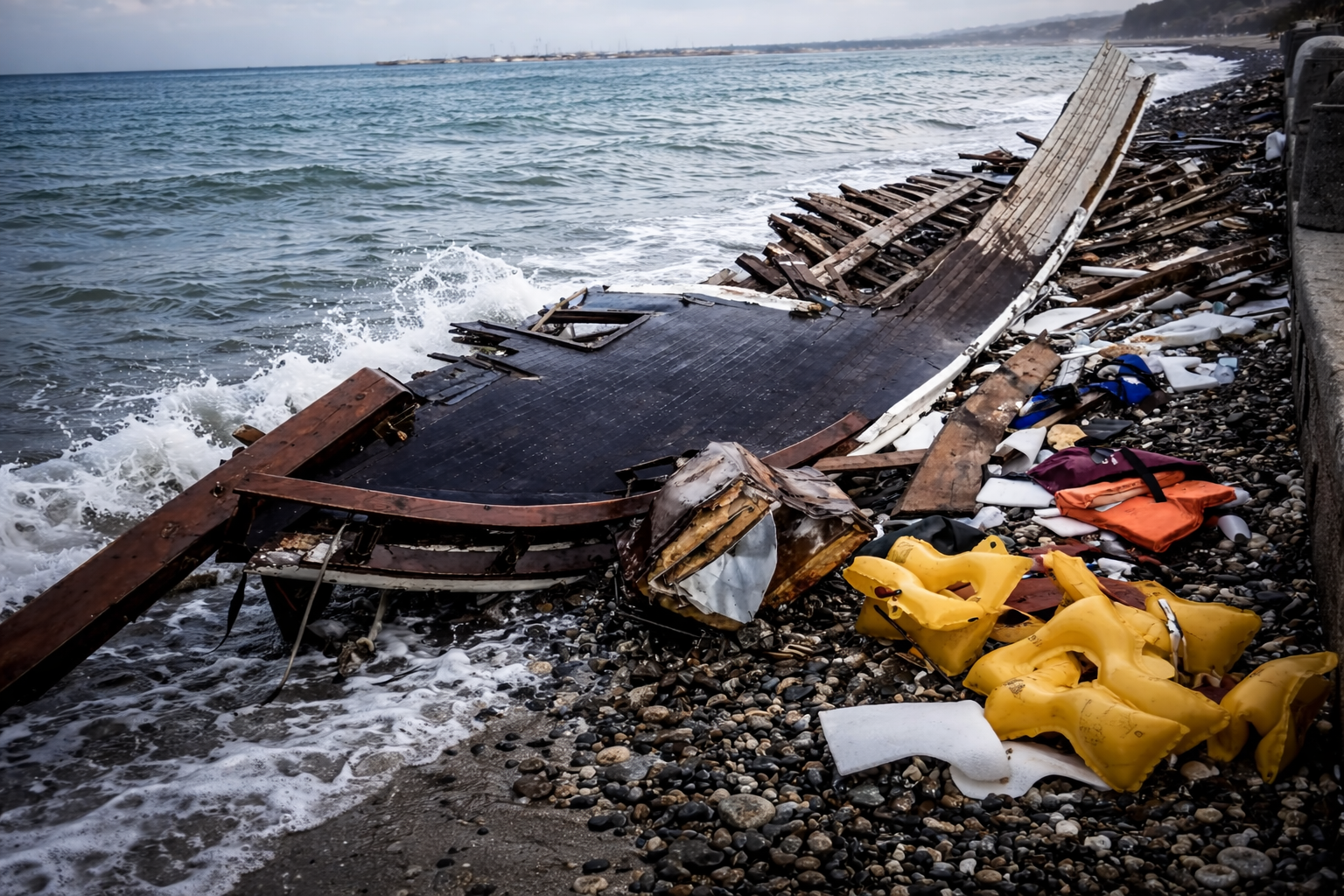
The search for survivors continues after a catastrophic migrant boat sinking in the Andaman Sea, leaving approximately 250 people missing. The vessel, reportedly carrying Rohingya refugees and other migrants, capsized late Tuesday night amidst turbulent weather conditions. This tragedy highlights the growing desperation of displaced populations and the mounting pressure on maritime security in the Indian Ocean a region vital to global commerce and geopolitical stability.
This article examines the details of the rescue operation, the economic implications for regional entrepreneurs, and why US investors should keep a close eye on the unfolding humanitarian crisis in these critical shipping lanes.
The Incident: A Midnight Tragedy in the Andaman Sea
Early reports indicate the overcrowded wooden vessel departed from the coastal regions of Bangladesh, aiming for Malaysia or Indonesia. Heavy swells and engine failure are believed to have contributed to the vessel capsizing.
- Current Status: Search and rescue (SAR) teams from India, Thailand, and Indonesia are coordinating efforts.
- Casualties: While few have been rescued by passing merchant vessels, the majority remain unaccounted for.
- Location: The incident occurred near the Nicobar Islands, a strategic chokepoint for the Malacca Strait.
Why This Matters to the Global Business Community
For global business readers and US investors, a migrant boat sinking of this scale is more than a humanitarian tragedy; it is a signal of regional volatility.
Maritime Security and Trade Routes
The Indian Ocean carries nearly one-third of the world’s bulk cargo and two-thirds of its oil shipments. Increased humanitarian crises often lead to:
- Stricter Patrols: Enhanced naval presence can lead to slower transit times for commercial shipping.
- Insurance Premiums: Heightened risk in specific corridors can drive up maritime insurance costs for global logistics firms.
Impact on Indian Entrepreneurs
Indian entrepreneurs, particularly those in the logistics, seafood export, and blue economy sectors, face immediate operational concerns. Instability in the Andaman Sea can disrupt local supply chains and affect the safety protocols of smaller commercial vessels operating out of Chennai and Port Blair.
International Policy and the “Missing Migrants” Crisis
According to the International Organization for Migration (IOM), the Missing Migrants Project recorded over 3,100 deaths or disappearances on maritime routes in the Asia-Pacific region in 2024 alone. This latest incident is expected to surpass previous records for a single event in the region.
The lack of a coordinated regional framework for search and rescue operations continues to turn the Andaman Sea into a graveyard for the most vulnerable, says Dr. Aranya Sen, a maritime policy expert.
Geopolitical Implications for US-India Relations
The US and India have recently strengthened their “Indo-Pacific” partnership. Humanitarian disasters like this necessitate a collaborative response, often involving the Quad (US, India, Japan, Australia). For the US audience, this incident underscores the need for “Soft Power” investments in regional stability to protect “Hard Power” economic interests.
Conclusion
The migrant boat sinking in the Indian Ocean serves as a grim reminder of the intersection between human displacement and global economic stability. As rescue efforts continue, the international community must address the root causes of these migrations to ensure that the “Blue Economy” remains a safe and prosperous corridor for all.
Visit Augmenting Money for the most recent information.
Leave a Reply